
About Ashwagandha
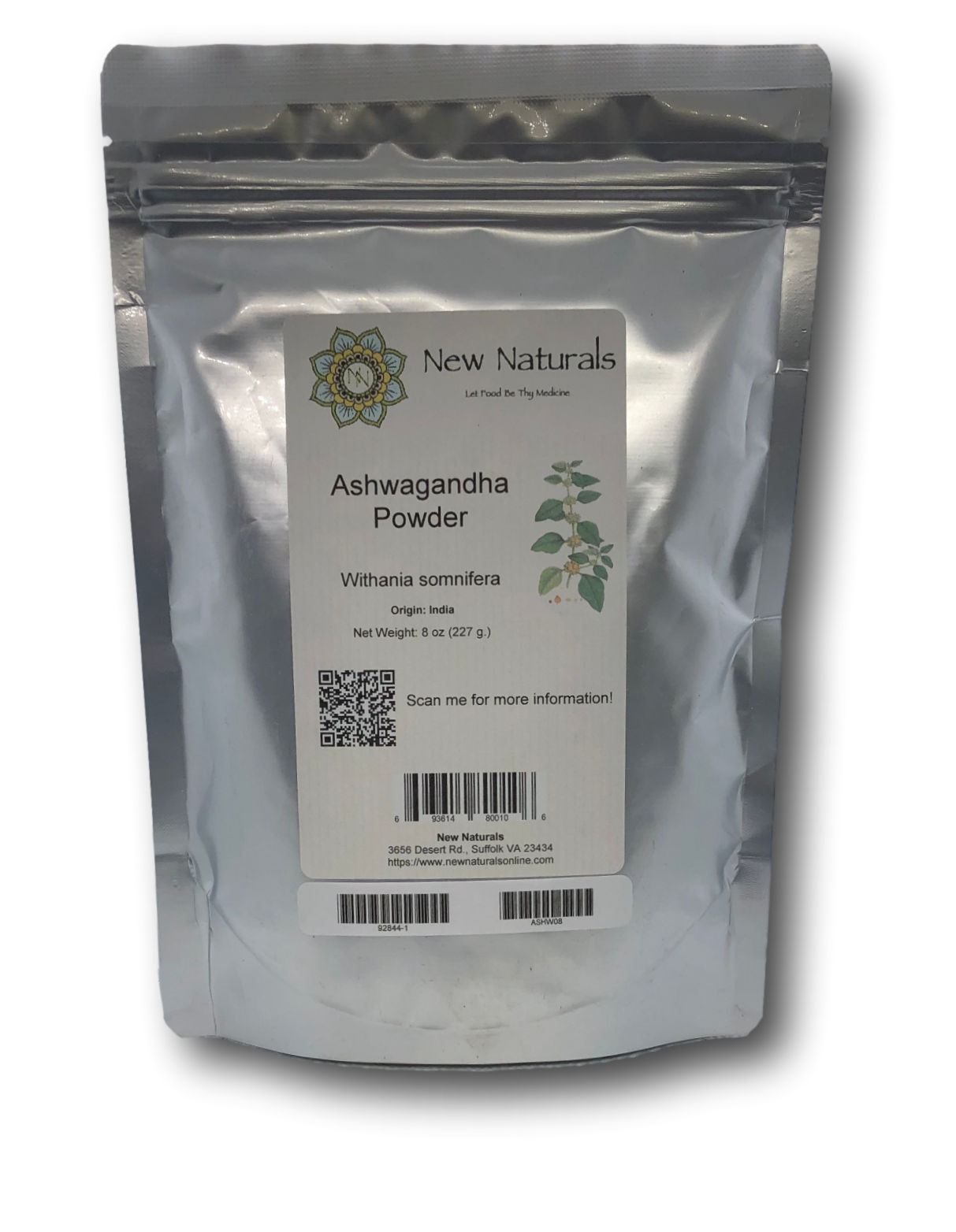 Ashwagandha is a bit unusual (compared to things like ginger and turmeric) in that it can be grown outdoors in temperate climates. It has to be grown as an annual, whereas in hot dry climates it will over-winter with minimal protection. And it has at least a 6-month period to maturity, so you may need to start the plants inside in order to get them in the ground just after the last frost. But if you're interested in trying it, you can find seeds at companies like Strictly Medicinal or Heirloom Organics, to name just a few. It's a small shrubby plant with yellow flowers. At maturity, it has red berries enclosed in a husk similar to those of ground cherries or tomatillos.
Ashwagandha has a long history in folk medicine, but is now being researched in controlled tissue and murine (rat or mouse) studies as well. One well-established benefit is the reduction of neuroinflammation (inflammation of nervous tissue). Most of the central nervous system is protected from inflammation by the blood-brain barrier. But this can be overcome by a variety of factors: physical trauma, second hand smoke and other air pollution, some bacterial and viral diseases, even just normal aging. Most of the studies of ashwagandha have looked at its inhibition of microglia. These are the immune cells of the brain and spinal cord. They're acutely sensitive to the presence of toxins or infectious agents, and proliferate very fast in response to a threat. But they may also multiply and cause inflammation in the case of neurodegenerative diseases such as Alzheimer's, Parkinson's and Huntington's. In that case, it's the inflammation itself which is an undesirable symptom. NSAIDs have typically been used to combat this inflammation, but their side effects make longterm use undesirable. Ashwagandha may turn out to be a useful herbal approach that has very few side effects.[1]
*These statements have not been evaluated by the Food and Drug Administration (FDA). Products found on the NewNaturalsonline.com site are not intended to treat, diagnose or cure any condition or affliction. If you are pregnant, nursing, have a medical condition, or are taking medication, consult your healthcare provider before using any of our products or any other supplements.
1. Aqueous extract from the Withania somnifera leaves as a potential anti-neuroinflammatory agent: a mechanistic study. Journal of Neuroinflammation, published online, August 2016.